I want healthy hair


Over the years, carbohydrates have gained a bad reputation. People often associate them with weight gain, type 2 diabetes, and a number of other diseases.
While low-carb diets may be beneficial for some people, there is no reason to avoid high-carb foods entirely.
Here are 11 high-carb foods that are incredibly healthy.

Oats are incredibly healthy, and whole oats are a source of many vitamins, minerals, and antioxidants.
Raw oats contain 70% carbohydrates.
Oats are also a relatively good source of protein—they contain more protein than most grains.
Eating oats may reduce the risk of heart disease by lowering cholesterol levels.
It can also lower blood sugar levels, especially in people with type 2 diabetes.
In addition, oats are very filling, which could help promote healthy weight management.
Quinoa is a nutritious grain that has become incredibly popular among health-conscious consumers.
It is classified as a pseudocereal—seeds that are prepared and eaten like grains.
Cooked quinoa contains 70% carbohydrates, making it a high-carbohydrate food. However, it is also a good source of protein and fiber.
Quinoa is rich in many minerals and plant compounds and is associated with a number of health benefits, including better blood sugar control and heart health.
In addition, it contains no gluten, making it a popular alternative to wheat for those on a gluten-free diet.
Quinoa is also very filling because it is relatively high in fiber and protein. For this reason, it can help promote healthy weight management and gut health.
Bananas are a popular fruit that people enjoy using in many different recipes.
One large banana (136 grams) contains about 31 grams of carbohydrates, either in the form of starches or sugars.
Bananas are also high in potassium, vitamins B6 and C, and contain several beneficial plant compounds.
Thanks to their high potassium content, bananas can help lower blood pressure and improve heart health.
Unripe green bananas have a higher starch content. As they ripen, the starch is converted into natural sugars, and the bananas turn yellow in the process. So if you eat less ripe bananas, you’ll get more starch and less sugar.
Unripe and less ripe bananas also contain a decent amount of resistant starch and pectin, both of which support healthy digestion and provide fuel for beneficial bacteria in the gut.
Like quinoa, buckwheat is considered a pseudocereal. Despite its name, buckwheat is not related to wheat and does not contain gluten.
Raw buckwheat contains 75 grams of carbohydrates.
Buckwheat is very nutritious; it contains both protein and fiber. It also has more minerals and antioxidants than many other grains.
Furthermore, studies suggest that it may be particularly beneficial for heart health and blood sugar control.

Oranges are a popular type of citrus fruit.
They consist mainly of water and contain about 15.5 grams of carbohydrates per 100-gram serving. Oranges are also a good source of fiber.
Oranges are particularly rich in vitamin C, potassium, and certain B vitamins. They also contain citric acid, as well as several beneficial plant compounds and antioxidants.
Eating oranges can improve heart health and help prevent kidney stones. Oranges can also increase the absorption of iron from other foods you eat, which can protect you from iron-deficiency anemia.
Sweet potatoes are a delicious, nutritious tuber that is classified as a root vegetable.
Half a cup (100 grams) of mashed, cooked sweet potatoes with the skin on contains about 20.7 grams of carbohydrates, consisting of starch, sugar, and fiber.
Sweet potatoes are also a rich source of vitamin A, vitamin C, and potassium.
What's more, they're full of antioxidants—compounds that help neutralize harmful free radicals in cells to protect you from chronic diseases.
Blueberries are often marketed as a superfood because of their high antioxidant content.
They consist mainly of water and 14.5 grams of carbohydrates per 100 grams.
Blueberries also contain high amounts of many vitamins and minerals, including vitamin C, vitamin K, and manganese.
Studies have shown that blueberries are a good source of antioxidant compounds that may help protect the body from harmful free radicals. Studies suggest that eating blueberries may even improve memory in older adults.
Apples are well known for their sweet-and-sour taste and crisp texture.
They are available in many colors, sizes, and flavors, all of which generally contain about 14–16 grams of carbohydrates per 100 grams.
Apples also contain many vitamins and minerals, but mostly only in small amounts.
However, they are a good source of vitamin C, antioxidants, and fiber.
Apples may also offer several health benefits, including better blood sugar control and heart health.
Including apples in your diet may even be linked to a reduced risk of certain types of cancer. However, more research is needed.

Grapefruit is a citrus fruit with a sweet-and-sour and bitter taste.
It contains about 8% carbohydrates and is rich in various vitamins, minerals, and antioxidants.
According to some studies, grapefruit may improve heart health and help manage blood sugar levels.
Furthermore, other studies suggest that certain compounds found in grapefruit may help prevent kidney stones, lower cholesterol levels, and even potentially slow the growth and spread of cancer cells.
Chickpeas, also known as garbanzo beans, belong to the legume family.
Cooked chickpeas contain 27.4 grams of carbohydrates per 100-gram serving, along with nearly 8 grams of fiber. They are also a good source of plant-based protein.
Chickpeas contain many vitamins and minerals, including iron, phosphorus, and B vitamins.
Not only are chickpeas associated with improved heart health and digestion, but some test-tube studies suggest that they may also protect against certain types of cancer.
Beans are a member of the legume family and the common bean genus.
Cooked beans contain about 21.5 grams of carbohydrates per 100 grams in the form of starch and fiber. This legume is also high in protein.
Beans are a good source of many vitamins, minerals, and plant compounds. They are also rich in antioxidant compounds, including anthocyanins and isoflavones.
Their numerous health benefits include improved blood sugar control and a reduced risk of colon cancer.
Your hair reflects what you eat. Treat it to the best in extra care to help nourish and repair damaged hair.

Summer and humid weather can cause some of us to struggle with problems like frizzy hair. Frizzy hair can be frustrating, especially when nothing seems to tame it. As annoying as frizzy hair can be, most of us aren’t exactly sure what causes it, which means we don’t know the best way to manage it. Don’t worry—we’re here to answer all your questions.
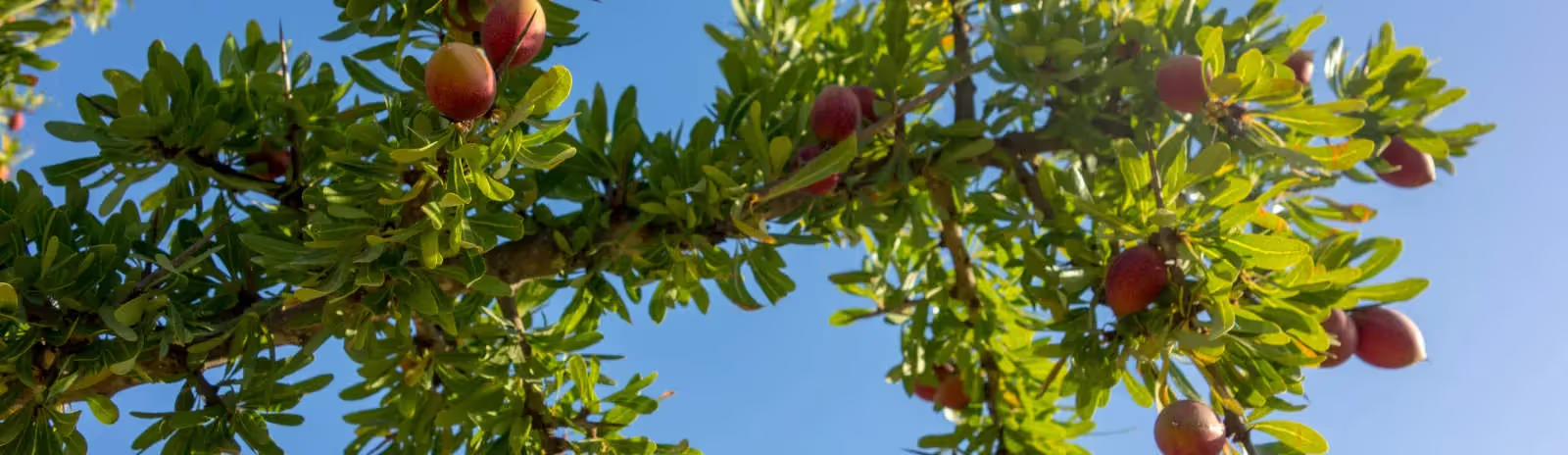
In the world of hair care and cosmetics, plant-based oils are becoming increasingly common ingredients. Hundreds of products claim to work wonders for your skin and hair. Are there real benefits, or is it just marketing? Read on to learn more about argan oil and why it’s beneficial for your skin and hair.
To offset our carbon footprint, we use advanced artificial intelligence technology through pachama.com. We support various projects for forest restoration and conservation around the world. You don’t even have to buy anything from us. We do this because it is one of our core business values: to give back what we have taken from nature.