I want healthy hair


There are plenty of things to love about winter, but the way it takes a toll on your skin isn't one of them. Unless you're lucky enough to live in a consistently warm climate, you know exactly what we're talking about.
We all know that feeling of winter dryness: rough, tight skin, chapped lips, brittle nails, and hair that feels like it desperately needs a vacation in a tropical paradise. These are common experiences at this time of year, and they aren't exactly pleasant.
The cause? For starters, low humidity in the air dries out our skin. Because of this cold weather, we may also fall into habits that don’t help our winter-weary bodies.


Yes, hot water feels great, and who wouldn’t love a 20-minute steamy shower? The truth is, your skin isn’t too fond of hot water. Long showers dry out your skin, and it’s recommended to shower for 5 to 10 minutes using only warm—not hot—water. The American Academy of Dermatology (AAD) says that if you shower for longer than that, your skin may end up more dehydrated than it was before the shower. That’s because hot water strips the skin of its natural oils more quickly than warm water.
The purpose of a moisturizing cream is to create a barrier on the skin that prevents water loss. In drier environments (in winter), your skin loses moisture more quickly, so it’s important to moisturize it properly and consistently. In the winter, opt for creams over lotions. Creams are slightly thicker, so they’ll provide more hydration. Timing is also important. Moisturize your skin immediately after getting out of the shower, while your skin is still damp.
Using harsh soaps or detergents can strip the skin of its natural oils and cause it to dry out. Be careful with products that may contain alcohol or fragrances, such as solid deodorants or antibacterial soaps. Instead, look for skin care products that contain moisturizing ingredients or added oils and fats. Also look for gentle, unscented products. The gentler and more moisturizing the product, the better it is for your skin.

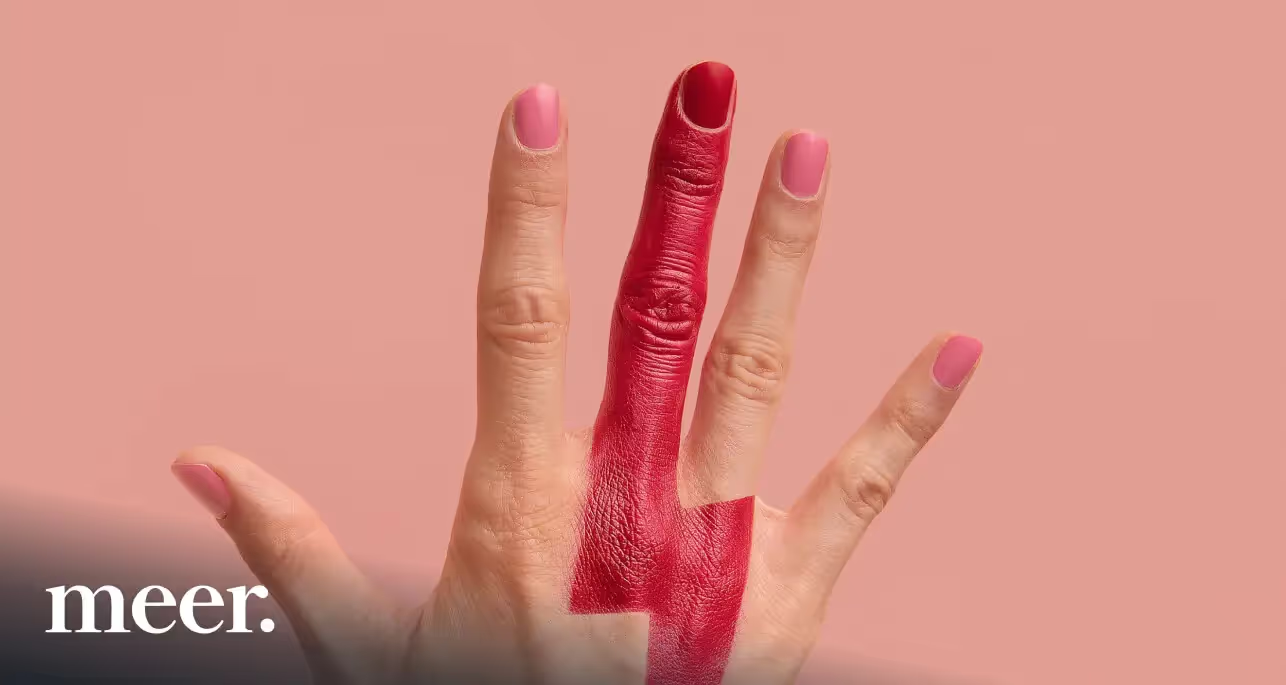
A very common problem in winter is brittle or splitting nails. While keeping your body well-hydrated can help maintain healthy nails, one simple thing you can do is use a thicker emollient, such as petroleum jelly, and apply it to your hands, especially around your nails where the cuticles are. Moisturize the area the same way you would moisturize your skin.
Petroleum jelly is also effective for healing chapped lips. It is recommended to apply it as a lip balm before bedtime (since its thick and greasy consistency is undesirable during the day).
Although this isn't a seasonal phenomenon, frequent hand washing can lead to excessively dry nails. So the next time you wash your hands, remember to apply hand moisturizer afterward.
Hot water can affect your hair and dry out your scalp. The more hot water that comes into contact with your scalp, the more it will dry it out. A dry scalp usually manifests as flaking or itching. Washing your hair more frequently with a sulfate-free shampoo will help keep your scalp hydrated and protect it from the effects of cold weather.
Use conditioner after every time you wash your hair with shampoo. Conditioner helps improve the appearance of damaged or frizzy hair and makes it stronger. If you don't want to look like a human radio antenna, conditioner also helps reduce static in your hair.
When shampooing, focus on your scalp; when using conditioner, focus on the ends of your hair.
Although we love ombré highlights and perfectly styled hair, excessive styling causes damage. Excessive styling, daily blow-drying, or multi-step hair coloring—combined with winter weather—is a double disaster for your hair.
Try to reduce the frequency of heat exposure and hair coloring. All of these recommendations will help keep your hair from becoming so dry, brittle, and prone to breakage.

If, despite your best efforts, you find that your dry skin, hair, or nails are not improving, see your dermatologist if you experience any of the following symptoms:
These could be symptoms of winter eczema (seasonal excessive dryness during the winter). A dermatologist will examine your skin to make sure everything is okay and may prescribe treatment.

Summer and humid weather can cause some of us to struggle with problems like frizzy hair. Frizzy hair can be frustrating, especially when nothing seems to tame it. As annoying as frizzy hair can be, most of us aren’t exactly sure what causes it, which means we don’t know the best way to manage it. Don’t worry—we’re here to answer all your questions.

In the world of hair care and cosmetics, plant-based oils are becoming increasingly common ingredients. Hundreds of products claim to work wonders for your skin and hair. Are there real benefits, or is it just marketing? Read on to learn more about argan oil and why it’s beneficial for your skin and hair.
To offset our carbon footprint, we use advanced artificial intelligence technology through pachama.com. We support various projects for forest restoration and conservation around the world. You don’t even have to buy anything from us. We do this because it is one of our core business values: to give back what we have taken from nature.