I want healthy hair


It’s completely normal to lose 50 to 100 hairs every day, so seeing a few strands on your brush or comb shouldn’t worry you. However, if you’re losing much more hair than that, you might start to wonder if you’re doing something wrong. Could that glass of wine you enjoy in the evening be damaging your hair? Highly unlikely! There is no direct link between alcohol consumption and hair loss. However, excessive drinking can lead to conditions such as nutritional deficiencies or hormonal problems, which may be related to hair loss.
Keep in mind that there are many reasons why hair loss occurs, and it’s important to first discuss this issue with your doctor, who will assess the condition of your hair and the potential cause of the hair loss.


Excessive alcohol consumption can contribute to deficiencies or malabsorption of key nutrients. There is evidence that deficiencies in zinc, copper, or protein can lead to hair loss.
Iron may play a role in hair loss in some people, but exactly how it affects the hair remains unclear. The results of studies have been inconsistent.
In some cases, people who drink excessive amounts of alcohol may not get enough nutrients due to a poor diet. In other cases, alcohol actually interferes with the way the body processes and utilizes food during digestion.
Excessive drinking can lead to a decrease in the amount of iron-rich foods a person consumes.
Scientists are still unsure whether there is a direct link between iron deficiency and hair loss. A 2013 study suggested that iron may be a factor in a certain type of hair loss in women. However, there are no general recommendations for iron supplementation as a treatment.
The recommended daily intake of iron for most nonpregnant adults is between 11 and 18 milligrams.
Iron deficiency is the most common nutritional deficiency in the world. Here are the common signs and symptoms of iron deficiency:
A 2013 study involving people with four different types of hair loss—alopecia areata, telogen effluvium, female pattern hair loss, and male pattern hair loss—found that a zinc deficiency may contribute to hair loss.
Researchers have concluded that low serum copper levels may be a cause of hair loss. However, scientists are still trying to figure out why this might be the case.
There is also some evidence that a copper deficiency may lead to premature graying of the hair, but further studies are needed.
According to the National Institute of Health, most people in the United States get enough zinc from their diet. However, there is concern that adults over the age of 60 may be at risk of zinc deficiency, especially if their access to food is limited. The recommended daily intake of zinc for most adults is 8 to 11 milligrams. The recommended daily intake of copper is 2 milligrams.

Drinking alcohol can also interfere with protein absorption or lead to lower protein intake.
Studies show that a severe protein deficiency can lead to a range of problems with the skin, hair, and nails. You may experience anything from flaky skin and brittle nails to thinning hair or hair loss. Here are other signs and symptoms of protein deficiency:
In general, the recommended daily protein intake is 0.8 grams per kilogram of body weight.
Regularly drinking excessive amounts of alcohol can affect your thyroid gland and the overall hypothalamic-pituitary-thyroid (HPT) axis. It can also affect other hormonal interactions responsible for regulating a wide range of processes in the body, such as hair growth and hair loss.
In fact, severe or long-term hypothyroidism and hyperthyroidism can cause hair loss and thinning across the entire scalp. This can occur suddenly or over the course of months or years. According to scientists, this means that mild or short-term cases of these conditions do not usually lead to hair loss.
There is also a link between alcohol abstinence and thyroid disorders. Researchers explain that in these cases, chronic damage to the thyroid caused by alcohol may be to blame.

Sometimes social drinking and smoking go hand in hand.
Smoking is linked to skin problems such as wrinkles. The nicotine in cigarettes, along with other chemicals, affects the skin and hair. It can constrict blood vessels and impair blood flow, preventing the skin from getting the oxygen and nutrients it needs.
Smoking also:
Tobacco smoke contains about 4,000 chemicals that can damage collagen and elastin, leading to sagging skin and premature aging.
One study specifically examined the relationship between smoking and baldness. A significant link was found between the two. This is likely due to the effects of smoke on the hair itself. It can damage hair follicles and disrupt other factors in the hair growth cycle.

Excessive alcohol consumption can also affect your overall appearance. Again, this is usually because alcohol interferes with normal bodily functions and can lead to deficiencies in key vitamins and nutrients.
Along with weight gain, you may notice early signs of aging and even more significant changes in your appearance.
Other effects may include:
In addition, alcohol-related liver damage can affect the skin and scalp.

The good news is that treating the underlying cause of hair loss can help kickstart the regrowth process.
If your alcohol consumption and its effects could be a factor, consider how much alcohol you drink. Experts recommend keeping alcohol consumption to a moderate level. This means one drink a day or less for most women and two drinks a day or less for most men.
One drink equals:
However, a recent study examining the health effects of alcohol worldwide suggests that there is no absolutely safe level of alcohol consumption.
Eat a balanced diet. Focus on nutrients such as iron, zinc, copper, and protein. Ask your doctor about supplements to address any nutritional deficiencies.
Drink plenty of water. Men should drink about 3.6 liters of fluids each day on average, while women should aim for 2.7 liters.
See your doctor. Talk to your doctor about your hair loss. Depending on the type of hair loss you have, many of you may need to have your thyroid levels checked. Medication or other treatment may be necessary to bring your levels back to the normal range.
Quit smoking. Your doctor can help connect you with resources and local support to help you quit smoking. He or she may also prescribe medications that can help you quit.
Keep in mind that even temporary hair loss may not respond immediately to these measures. Generally, it can take six to nine months for normal hair growth to resume. People with hereditary hair loss and other conditions may not see regrowth without specific treatment.
If you've noticed increased hair loss, contact your doctor. Excessive drinking and related conditions or lifestyle factors can affect your skin and hair.
There are many types of hair loss and other medical conditions that can cause hair loss. Some conditions may require additional medical treatment before hair growth resumes. Your doctor can perform the necessary tests to help identify the underlying cause of your problems.

Summer and humid weather can cause some of us to struggle with problems like frizzy hair. Frizzy hair can be frustrating, especially when nothing seems to tame it. As annoying as frizzy hair can be, most of us aren’t exactly sure what causes it, which means we don’t know the best way to manage it. Don’t worry—we’re here to answer all your questions.
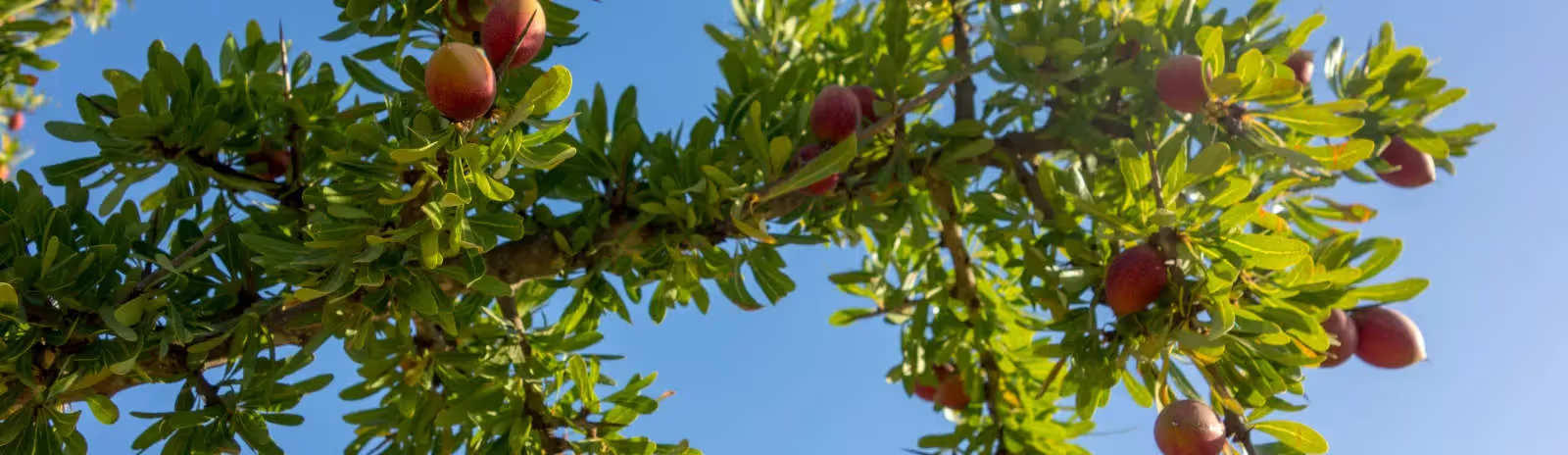
In the world of hair care and cosmetics, plant-based oils are becoming increasingly common ingredients. Hundreds of products claim to work wonders for your skin and hair. Are there real benefits, or is it just marketing? Read on to learn more about argan oil and why it’s beneficial for your skin and hair.
To offset our carbon footprint, we use advanced artificial intelligence technology through pachama.com. We support various projects for forest restoration and conservation around the world. You don’t even have to buy anything from us. We do this because it is one of our core business values: to give back what we have taken from nature.