I want healthy hair


There are many different causes of hair breakage. Healthy hair depends on an inner cuticle with overlapping scales that hold your strands together.
When these scales break down, your hair can become dry and eventually split, leading to damage. This causes breakage along with other symptoms, such as frizz and dryness.
Read more about some of the 11 most common causes of hair breakage and what you can do about them.


There's actually a lot of truth to the old saying, "You are what you eat," especially when it comes to the health of your hair and skin.
Certain nutrients help your hair grow and prevent breakage caused by damage. Make sure you get enough zinc, iron, and folic acid in your daily diet.
An adequate amount of protein and antioxidants (found in plant-based foods) can also help keep your hair healthy. Certain vitamins can also promote hair growth.

There is a great deal of evidence showing a link between stress and hair loss, but it is also known that stress can lead to hair breakage.
Telogen effluvium is a common type of alopecia caused by stress and is most likely associated with hair damage. This type of stress causes your hair follicles to go dormant, so hair that is in the middle of its growth cycle may break off. You may also notice shedding of old hair.
Managing stress can lead to healthier hair.

Unusually dry hair can be one of the precursors to damage and breakage.
It can also be caused by a number of factors, including dry weather, low humidity, and excessive heat. Be sure to use warm—not hot—water when washing your hair; hot water can cause further drying.
Apply the shampoo only to your scalp. Don't forget the conditioner, and then apply a hair mask to the mid-lengths and ends of your hair.

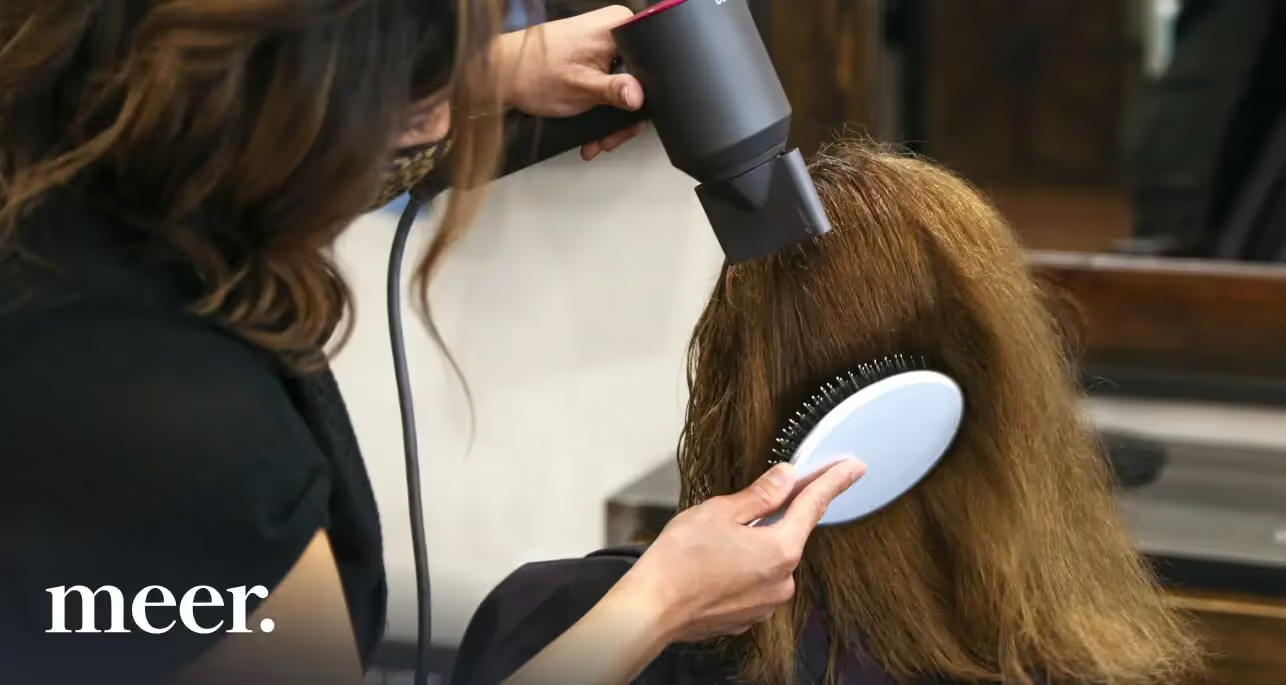
To get the best results with a hair dryer, flat iron, or curling iron, you need high heat. However, if you use these tools incorrectly or too often, you risk damaging the cuticle with extreme heat.
One way to prevent overall heat damage is to give your hair a break from all styling tools at least once a week. To minimize the actual heat damage caused by your styling tools, choose ceramic versions—they heat up more evenly, so you don’t have to run them over the same section of hair repeatedly.
It's important to protect your hair from heat. To minimize damage, use a heat-protectant spray or oil-based serum.

Perms, straightening treatments, professional straightening, and coloring—all of these can make your hair look healthier after just one or two sessions. However, if you have these treatments done too often, the cuticle can break down and cause damage to your hair.
Permanent hair dye can also interact with the scalp and potentially cause contact dermatitis.

When you get out of the shower, your natural reaction is to rub your skin and hair with a towel. However, this rubbing actually damages your hair when it is most vulnerable (that is, when it is wet).
Instead of rubbing the water out of your hair, pat your hair dry with an absorbent towel. You can leave it on your hair for a while to let it absorb the excess water.


Hair ties are a must-have, for example, when exercising, to keep your hair out of your face. But let’s be honest—they can also come in handy on days when our hair just won’t cooperate or when we’re simply in a hurry.
The problem with hair ties is that they pull on the scalp and the hair cuticle. You may even notice that some hair falls out every time you let your ponytail down.
You can fix this by letting your hair down once in a while or loosening the hair tie a little so it doesn't pull on your hair as much.
Also, make sure to use appropriate, gentle hair ties that won't damage your hair.

Never comb your hair forcefully. You’ll damage your hair unnecessarily, and rough handling of the comb can injure your sensitive scalp. Always start by combing the ends first and work your way up; never the other way around.
Be sure to use a wide-toothed comb to prevent breakage. You should only use a brush when your hair is dry. Avoid using plastic bristles. Instead, try a brush with natural bristles.

It may seem like cutting your hair could damage it. Ironically, trimming your hair can help keep it healthy and free of split ends.
You can think of trimming split ends as exfoliating your skin—in both cases, you may need to remove some old cells to help new ones grow. When you have split ends, those splits in the cuticle can spread along the rest of the length of your hair and eventually lead to breakage.
Visit your hairstylist every eight weeks, depending on the length and texture of your hair. Even as your hair grows out, trimming damaged ends can prevent further breakage.
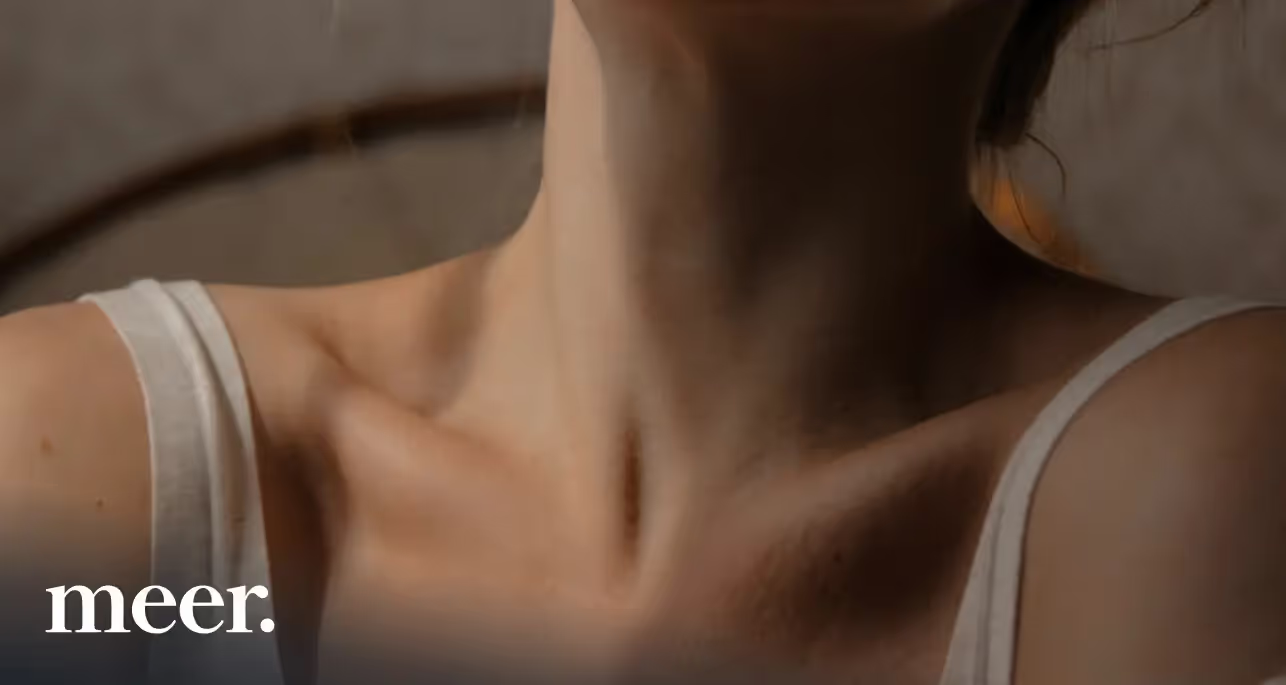
Hypothyroidism (underactive thyroid) occurs when your thyroid gland does not produce enough thyroid hormones. Although the thyroid gland itself is small, it plays a major role in maintaining the body’s functions. This includes metabolism, heart rate, and even hair growth.
People with an underactive thyroid may notice excessive hair damage and hair loss, especially in the shower or after brushing. If you have dry, damaged hair along with low energy, sudden weight gain, and depression, see a doctor to have your thyroid checked.

If you or a loved one is living with an eating disorder, hair damage is a possible symptom.
Some eating disorders, such as anorexia and bulimia nervosa, actually cause malnutrition. In such cases, the hair follicles lack the nutrients they need to produce new hair, and the process comes to a complete halt. You may even notice new hairs breaking off in the middle of their growth cycle.
Eating disorders can lead to even more serious consequences and require medical treatment. Reading the personal stories of those who have overcome eating disorders can help inspire you or a loved one to seek treatment.
Tips for Healthy Hair
To prevent hair breakage in the future, consider the following hair care tips:

Summer and humid weather can cause some of us to struggle with problems like frizzy hair. Frizzy hair can be frustrating, especially when nothing seems to tame it. As annoying as frizzy hair can be, most of us aren’t exactly sure what causes it, which means we don’t know the best way to manage it. Don’t worry—we’re here to answer all your questions.
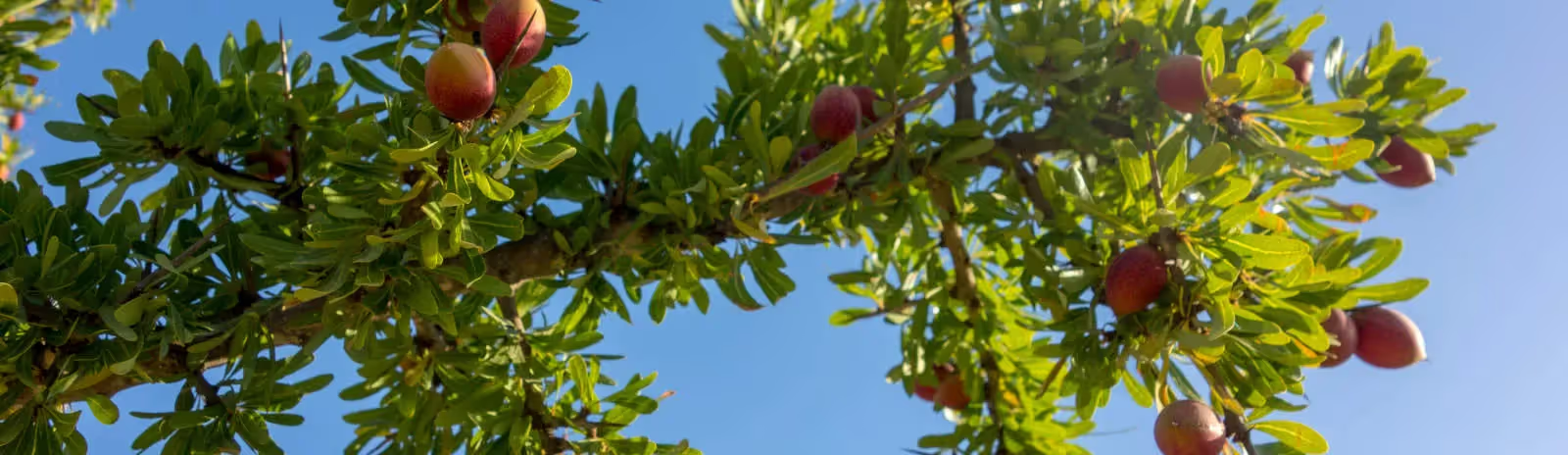
In the world of hair care and cosmetics, plant-based oils are becoming increasingly common ingredients. Hundreds of products claim to work wonders for your skin and hair. Are there real benefits, or is it just marketing? Read on to learn more about argan oil and why it’s beneficial for your skin and hair.
To offset our carbon footprint, we use advanced artificial intelligence technology through pachama.com. We support various projects for forest restoration and conservation around the world. You don’t even have to buy anything from us. We do this because it is one of our core business values: to give back what we have taken from nature.