I want healthy hair


Nose hairs are a natural part of the human body and serve as a defense mechanism. They trap harmful particles outside the body and help maintain the moisture in the air we breathe.
The blood vessels in the nose and face are particularly dense. In the nose, they promote hair growth.
Although nose hairs serve a useful purpose, you may decide to remove them, whether for personal or cultural reasons. Below are methods for removing nose hairs, as well as the potential risks.

Trimming nose hair is the safest and most accessible option for most people. Small scissors designed specifically for this task are often included in grooming kits. These scissors should have rounded tips to prevent scratching the skin and causing bleeding.
Trimming nose hair allows you to gradually remove or shorten only the most visible hairs, without removing too many or injuring the delicate skin inside your nose.
Stand in front of a mirror with good lighting.
First, blow your nose and clear out any hardened mucus that might get in the way.
Hold the scissors firmly and tilt your head back.
Trim the hair right down to the skin.
After trimming, blow your nose a few times to get the extra-small hairs out. Do not rinse your nose with water.
Don't try to remove all the hairs from your nose. Instead, focus on the thickest and most visible ones.
Another way to trim nose hair is to use electric trimmers. These are made with rounded blades. You can buy them at your local drugstore or from an online retailer.
The results of trimming nose hair are visible until the hair grows back. It's not a permanent solution, but it's the safest option.
In most cases, hair removal or plucking nose hairs is not recommended. Plucking individual hairs can lead to ingrown hairs and infection. Waxing, in particular, could damage the skin deep inside the nose.
However, there is a product on the market—nose wax—that is designed to remove only the hairs around the edges of the nostrils. The results can last up to four weeks.
This treatment takes longer than a trim because waxing not only shortens the hairs but removes the entire hair shaft from beneath the skin's surface.
If you're using wax to remove nose hair at home, be sure to read and follow the instructions carefully. If the area is sore or sensitive after waxing, dampen a towel with warm water and apply it to the area. This warm compress can provide pain relief and aid in healing.
Laser hair removal is the permanent removal of unwanted hair from the entire body. Laser treatment is controversial when it comes to nasal hair, as it could damage the mucous membrane inside the nasal cavity.
Laser treatment for nose hair likely targets only the most visible hairs directly around the inner edge of the nostril.
Laser treatment is the most expensive of all hair removal options.
If you are interested in laser hair removal, be sure to consult a board-certified dermatologist or plastic surgeon. Only undergo laser hair removal at a professional facility. Because the nose is a small body cavity, it is one of the most difficult areas to treat with a laser.

It is not recommended to use depilatory or epilatory cream inside the nasal cavity. Depilatory products are very strong, and you risk inhaling toxic fumes and burning the mucous membrane inside your nose.
There are some natural products on the market that can reduce the thickness of nose hair, but be sure to read all the product instructions carefully. Most hair removal cream labels indicate that they are not safe for use on nose hair.
Depending on the method, trimming, thinning, and removing nose hairs can be safe, but don't overdo it. Since nose hairs serve an important function in the body, they shouldn't be trimmed too drastically.
Nose hairs prevent particles from entering the body and reduce allergies and infections. Nose hairs also help add and maintain moisture in the air you breathe. These benefits are especially important for anyone who suffers from allergies or asthma.
Removing body hair increases the risk of ingrown hairs.
Stop all forms of hair removal until the nasal cavity has cleared up and healed.
Use a warm, damp washcloth to clean the skin. Massage the area in circular motions to loosen the ingrown hair.
You can also use a sterile needle to lift the hairs off the skin.
If your symptoms worsen or you develop an infection, see a doctor immediately.

Nose hairs are a natural and important part of the body. If you don’t want your nose hairs to be too noticeable, there are safe ways to limit their growth. Trimming nose hairs with special scissors is the safest method.
There are other methods you can try, but they may not be as safe as using scissors or electric clippers.
A professional barber, dermatologist, or plastic surgeon can offer the best advice and support for removing nose hair at home or through medical treatment.
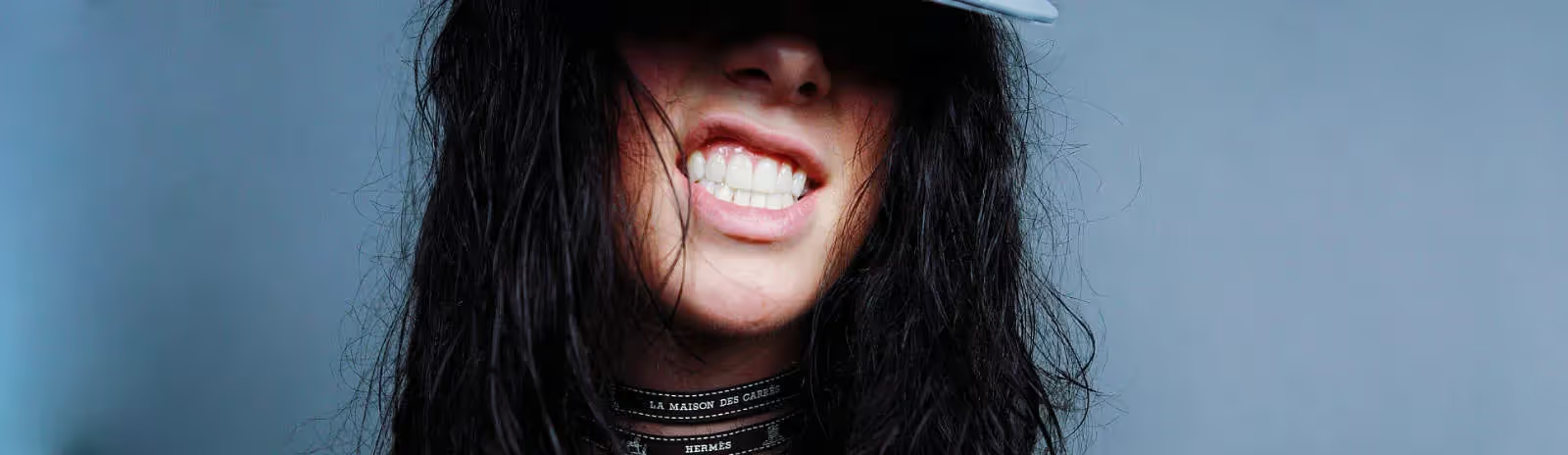
Summer and humid weather can cause some of us to struggle with problems like frizzy hair. Frizzy hair can be frustrating, especially when nothing seems to tame it. As annoying as frizzy hair can be, most of us aren’t exactly sure what causes it, which means we don’t know the best way to manage it. Don’t worry—we’re here to answer all your questions.

In the world of hair care and cosmetics, plant-based oils are becoming increasingly common ingredients. Hundreds of products claim to work wonders for your skin and hair. Are there real benefits, or is it just marketing? Read on to learn more about argan oil and why it’s beneficial for your skin and hair.
To offset our carbon footprint, we use advanced artificial intelligence technology through pachama.com. We support various projects for forest restoration and conservation around the world. You don’t even have to buy anything from us. We do this because it is one of our core business values: to give back what we have taken from nature.