I want healthy hair


Pimples can appear on the face, back, chest, arms, and yes—even in the hair. Pimples in the hair can be a problem when combing or styling your hair.
If you have red bumps in your hair, you probably have pimples. But it could also be a sign of poor health.

A pimple is caused by excess sebum or dead skin cells that accumulate in the pores of the skin. The skin contains sebaceous glands that produce sebum, which protects and moisturizes the hair and skin. However, the buildup of sebum in the pores can cause redness or mild swelling on the skin.

Pimples can be caused by many different irritants. Ingrown hairs can appear with little warning, but they can usually be traced back to one of the following causes:
Oil and dead skin naturally accumulate, especially in hairy areas. Be sure to maintain good hygiene. Wash your hair and skin regularly, especially after physical activity or exposure to hot weather.
Makeup can cause a buildup of oils that aren't naturally produced by the body. If not properly removed, concealer or foundation that evens out skin tone can clog pores overnight and cause breakouts.
Hair products, such as hairsprays, mousses, oils, and gels, can contribute to excessive oil production and skin reactions along the hairline.

Headwear such as helmets, hats, scarves, or headbands can trap sweat and oil along the hairline. This causes a buildup of sweat and sebum, which can lead to acne or pimples along the hairline.
Hormonal changes, especially in adolescents and young adults, can cause increased sebum production, which contributes to acne or pimples along the hairline, on the face, and on other parts of the body.
Acne and pimples can be hereditary. If your parents had pimples in the past, it is very likely that you will also develop pimples due to heredity.
The good news is that there are steps you can take to help your pimples heal. Treating pimples takes time, but with a few tips, you can speed up the process.
If you notice a pimple or pimples in your hair, try the following:
If possible, touch the pimple as little as possible.
Wash the area very gently.
Do not use oily hair or facial products. Try using noncomedogenic products. If you must use them, be sure to wash your hair and face thoroughly at the end of the day.
You can use acne medications, toners, or other cleansing products. Use them with caution. Make sure they don't dry out your skin or cause any other skin reactions.
Avoid wearing tight or heavy headwear, which can irritate your pimple.

It's unlikely that your red bump is anything other than a pimple, but it's still a possibility. If the red bump doesn't go away or your condition gets worse, be sure to look out for symptoms that might indicate another health problem.
If you have a high fever or a cough along with red spots along your hairline and on your body, you may have measles. Preventive vaccines are available for measles. Once you have measles, you can treat the symptoms with medication.
If you have small red spots that start at the hairline and spread across your face, along with swollen lymph nodes, you may have rubella (also known as German measles). Once you have rubella, there is no treatment. Those diagnosed with it are advised to rest in bed and avoid contact with others.
If you have several red pimples, you may have folliculitis. Folliculitis is characterized by inflammation of the hair follicles. Folliculitis is caused by a staph infection or a razor during shaving. Doctors usually prescribe creams or pills to treat folliculitis, but severe cases may require surgery to remove large boils.

Hair follicle pimples are extremely common. They usually occur due to the natural buildup of oils in the hair and on the skin.
If you have more pimples than usual, consider washing your hair and face more often.
If you experience other symptoms, such as a fever or a cough, you should see a doctor to make sure it isn't a more serious medical condition.

Summer and humid weather can cause some of us to struggle with problems like frizzy hair. Frizzy hair can be frustrating, especially when nothing seems to tame it. As annoying as frizzy hair can be, most of us aren’t exactly sure what causes it, which means we don’t know the best way to manage it. Don’t worry—we’re here to answer all your questions.
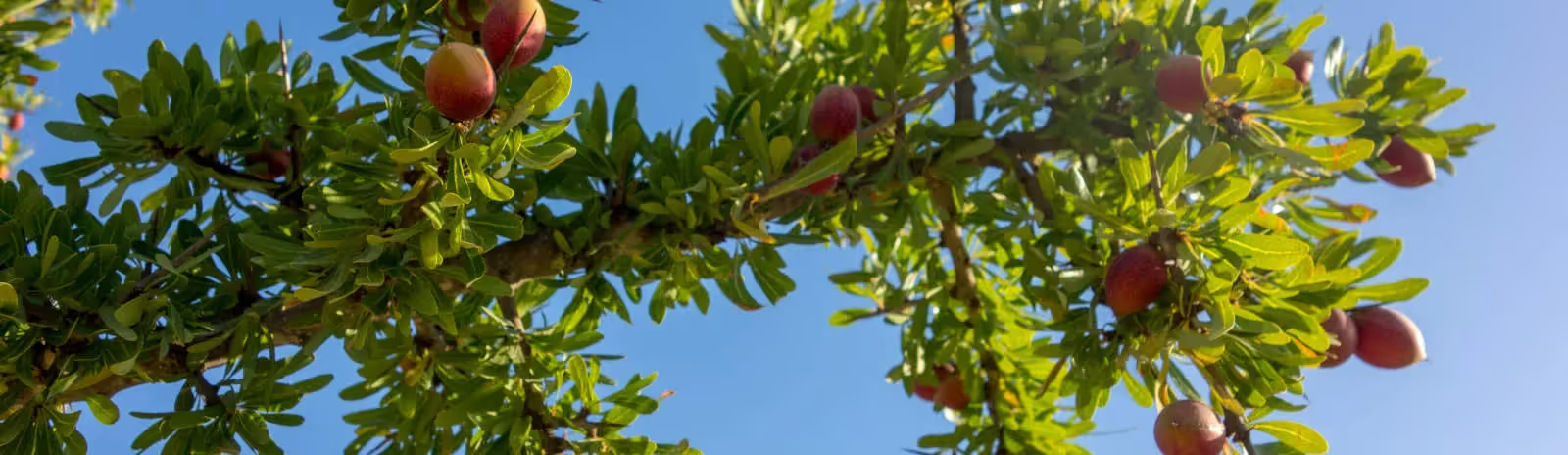
In the world of hair care and cosmetics, plant-based oils are becoming increasingly common ingredients. Hundreds of products claim to work wonders for your skin and hair. Are there real benefits, or is it just marketing? Read on to learn more about argan oil and why it’s beneficial for your skin and hair.
To offset our carbon footprint, we use advanced artificial intelligence technology through pachama.com. We support various projects for forest restoration and conservation around the world. You don’t even have to buy anything from us. We do this because it is one of our core business values: to give back what we have taken from nature.